Virgin of Carmen of Paucartambo: A Cultural in Cusco
Paucartambo is one of the most beautiful and traditional provinces in Cusco. Located southeast of the Andes mountain range, this magical town is renowned for its customs, dances, history, and the deep devotion its residents feel toward the Virgin of Carmen, affectionately known as Mamacha Carmen.
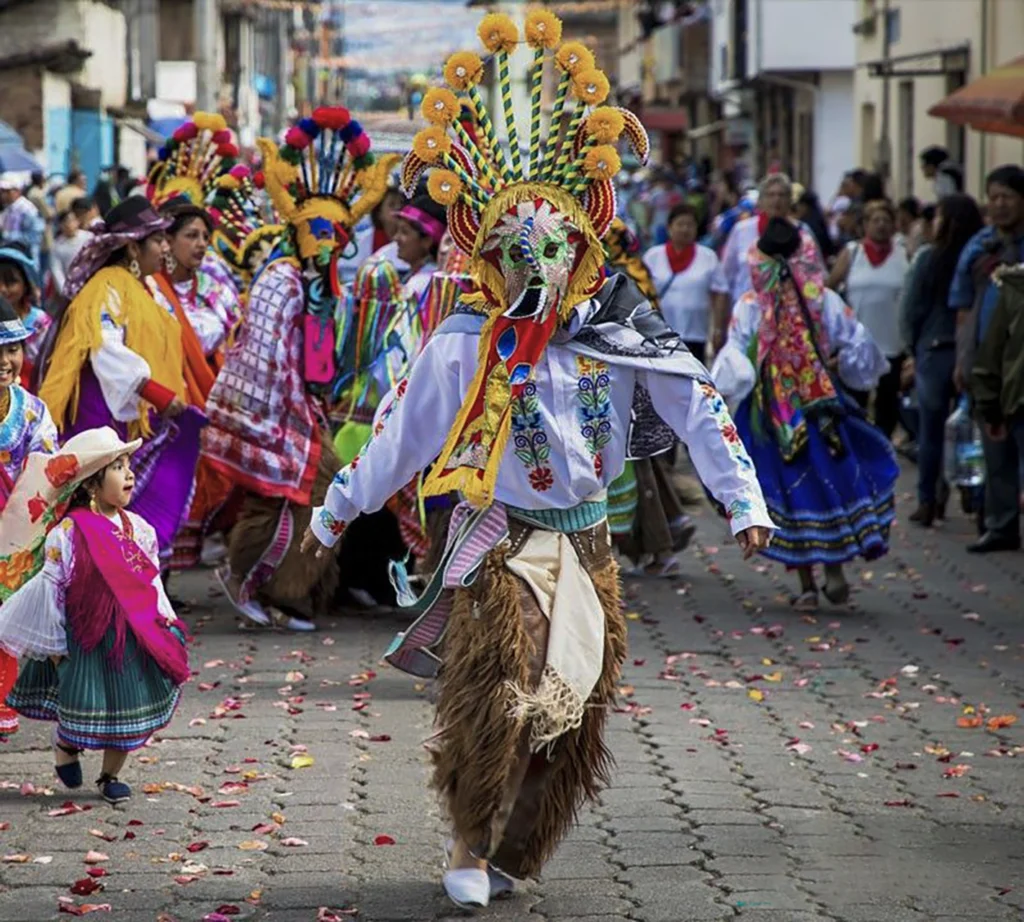
Visiting Paucartambo during its festivals is a unique experience. Its streets fill with music, color, and joy, as thousands of people participate in one of Peru’s most important religious and cultural celebrations. The festival of the Virgin of Carmen is not only an expression of faith but also a living testament to the cultural identity of the people of Paucartambo. Paucartambo’s Virgin of Carmen: tradition, culture
Where is Paucartambo located?
The province of Paucartambo is located in the department of Cusco, approximately 110 kilometers from the imperial city. Its capital is the town of Paucartambo, situated at an elevation of 3,017 meters above sea level.
This beautiful Andean town is renowned for its rich culture, ancient traditions, and stunning natural landscapes. It also serves as an important gateway to the Cusco jungle.
The village shaped like a rooster
There is a curious popular belief that Paucartambo is shaped like a rooster. According to this tradition, the historic Carlos III Bridge represents the bird’s legs, while the rest of the town, situated on a crescent-shaped plain, forms its body.
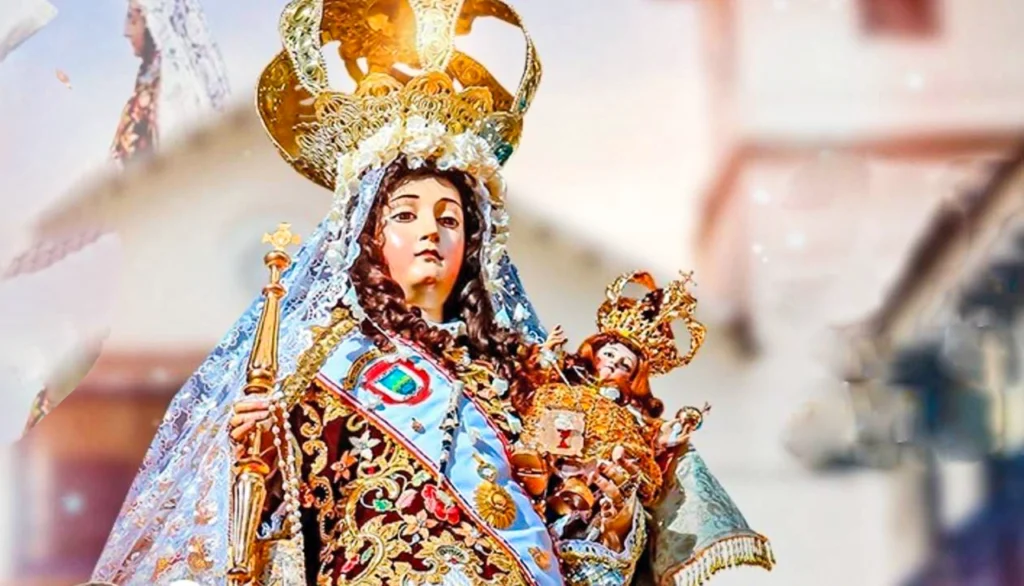
Virgin of Carmen: the heart and soul of Paucartambo
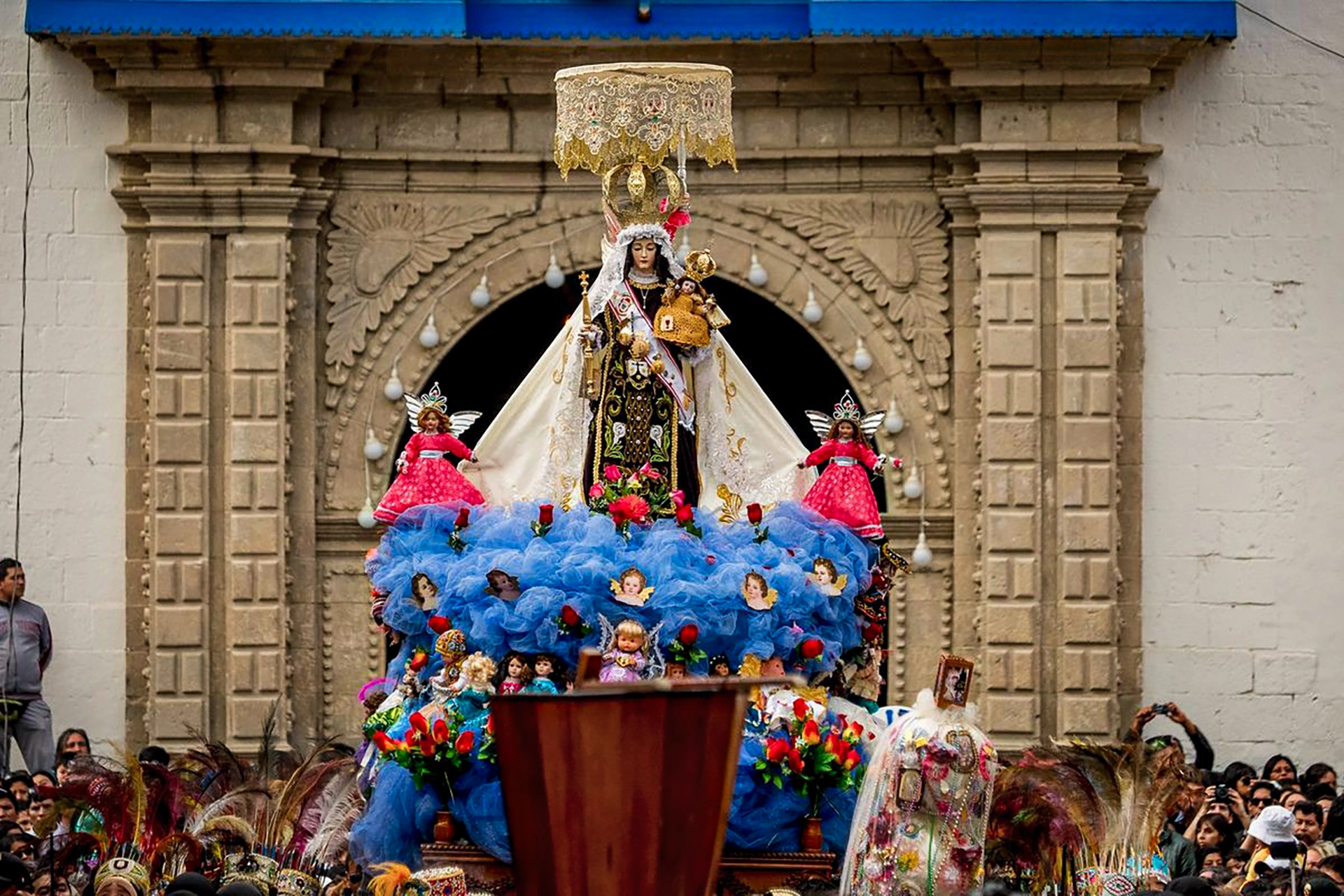
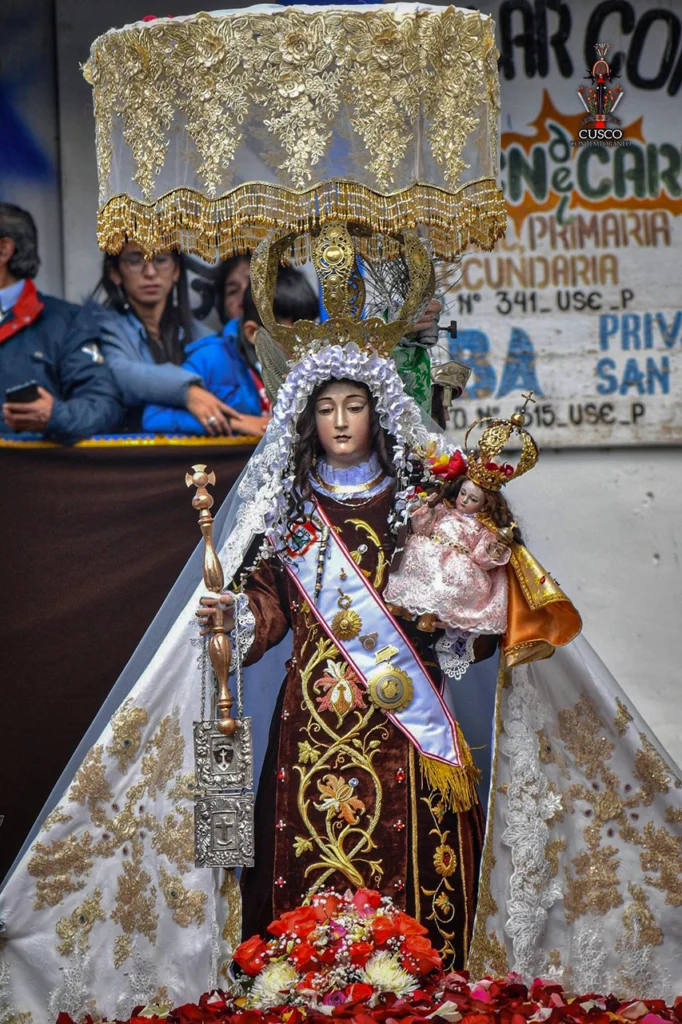
Our Lady of Mount Carmel is the patron saint of Paucartambo and holds a special place in the hearts of its residents. More than just a religious image, for many devotees she represents protection, hope, and unity.
Every year, thousands of faithful pilgrims arrive from different parts of Peru and abroad to pay homage to Mamacha Carmen. Her feast day has become one of the most important religious celebrations in the country, blending faith, culture, and tradition.
The Origin of Mamacha Carmen
Among the various stories explaining the arrival of the Virgin of Carmen in Paucartambo, one of the best known is linked to the conversion of the Chunchos.
According to tradition, during the 17th century there were numerous estates in the Q’osñipata Valley. Every year, a statue of the Virgin was brought from the Asunción estate to Paucartambo for religious celebrations.
It is said that, during a rebellion, the Chunchos destroyed several haciendas and attacked the church. The image of the Virgin was damaged and thrown into the Amaru Mayu River, now known as the Madre de Dios River. Some time later, it was found on a small island and recovered by the villagers, who brought it back to Paucartambo.
This story has remained alive in the collective memory and is reflected in several of the dances performed during the festival.
The dances and traditions of the festival
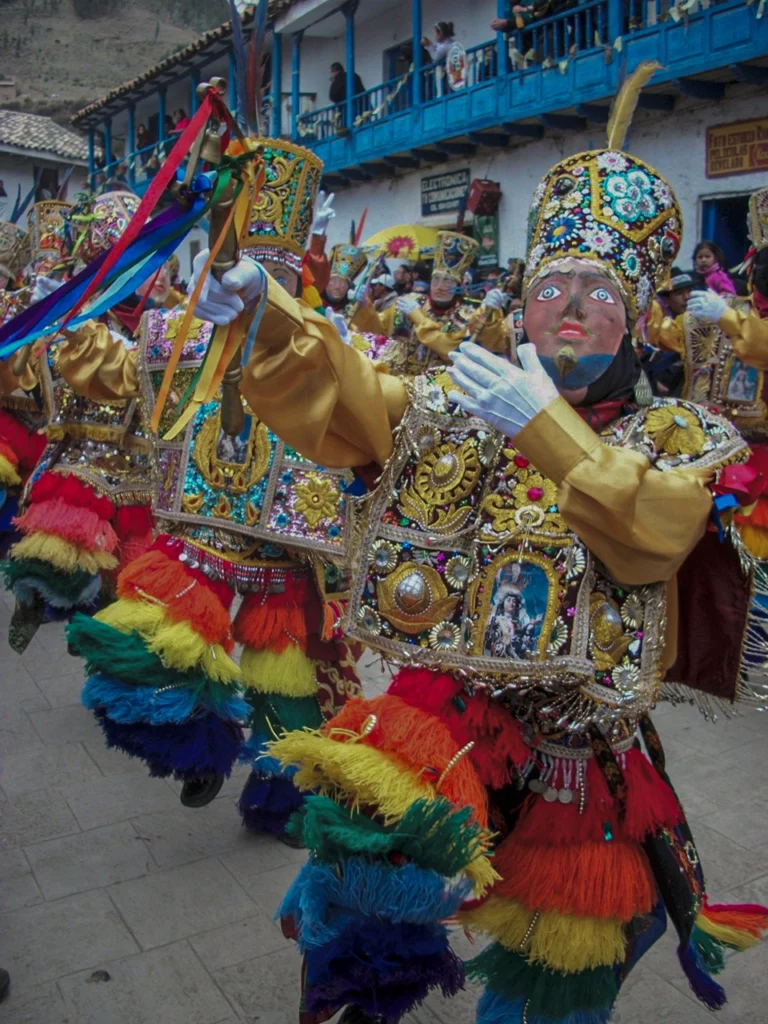
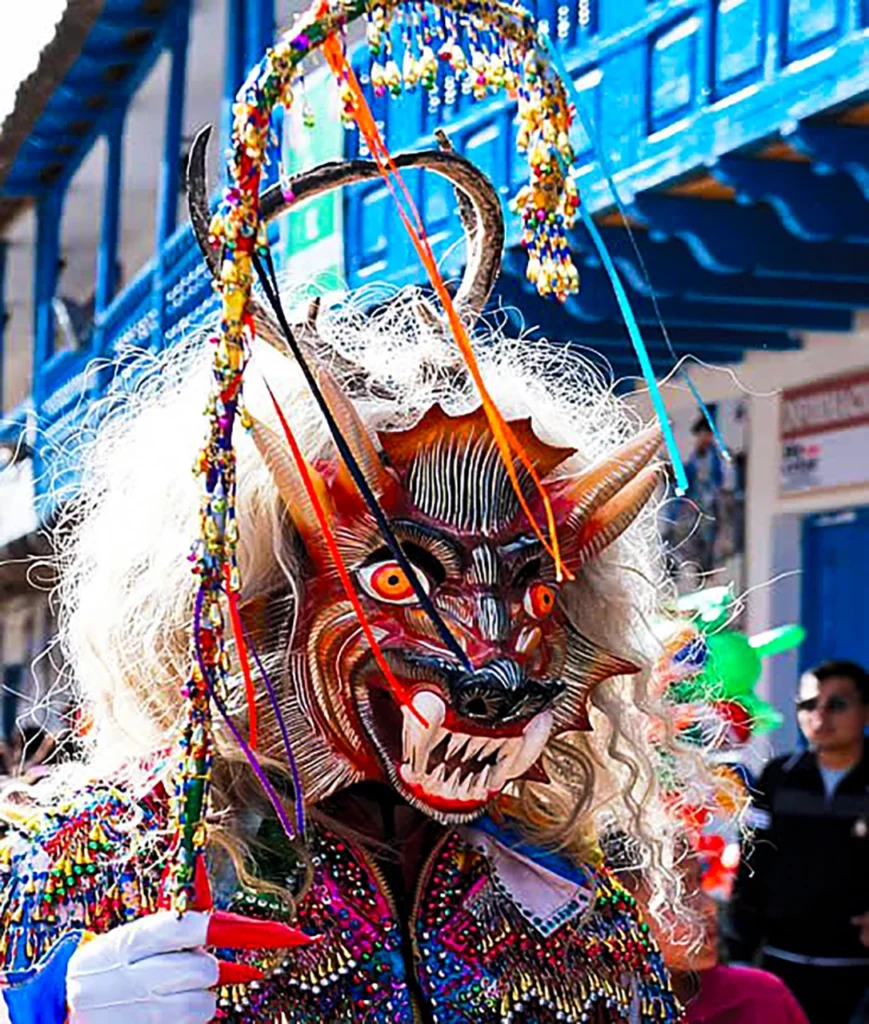
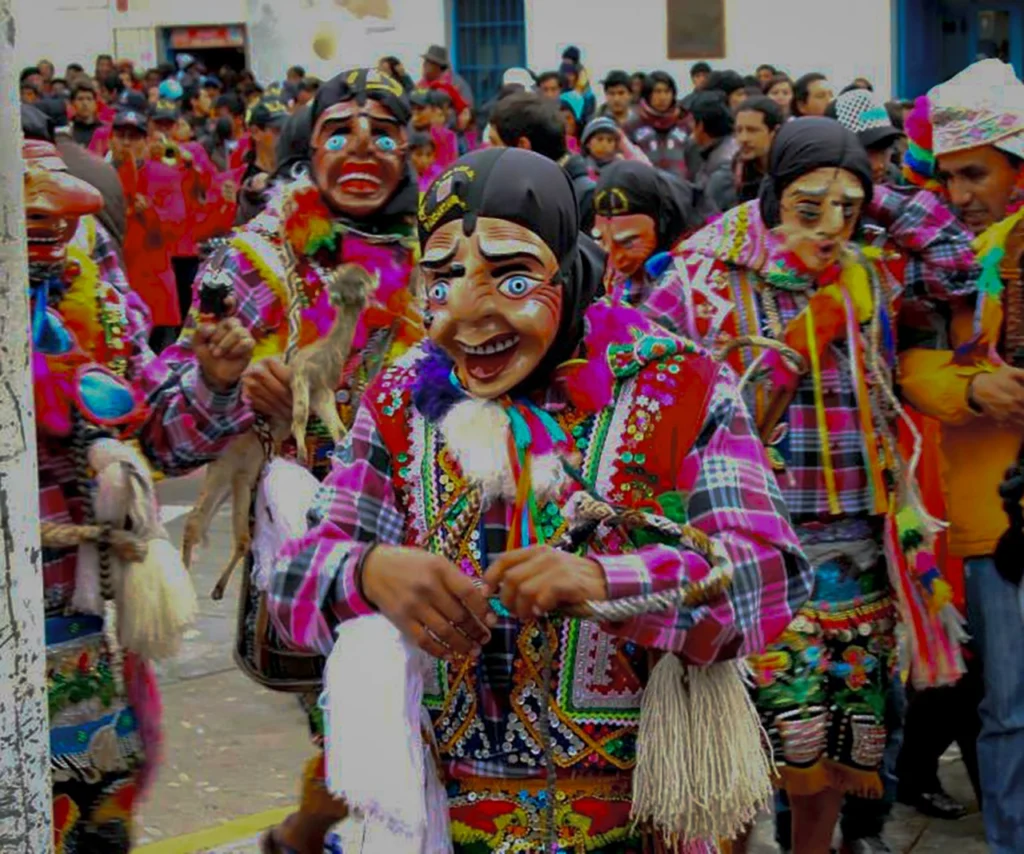
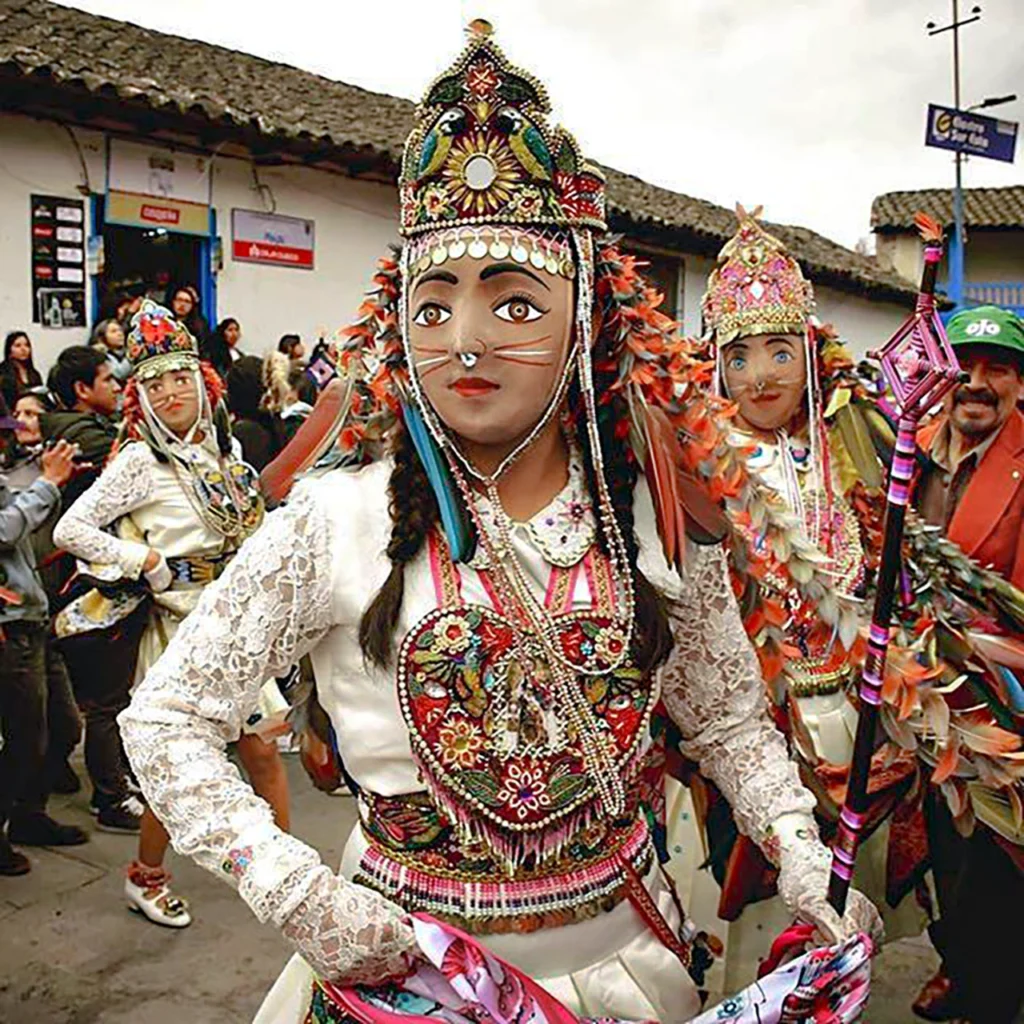
One of the most striking aspects of the festival is the traditional dance troupes that parade through the town’s streets.
The Dance of the Chunchos
The Chunchos dance is considered one of the most representative dances of the festival. It symbolizes the ancient inhabitants of the jungle and recalls the legends surrounding the Virgin’s arrival.
A vibrant culture in every corner
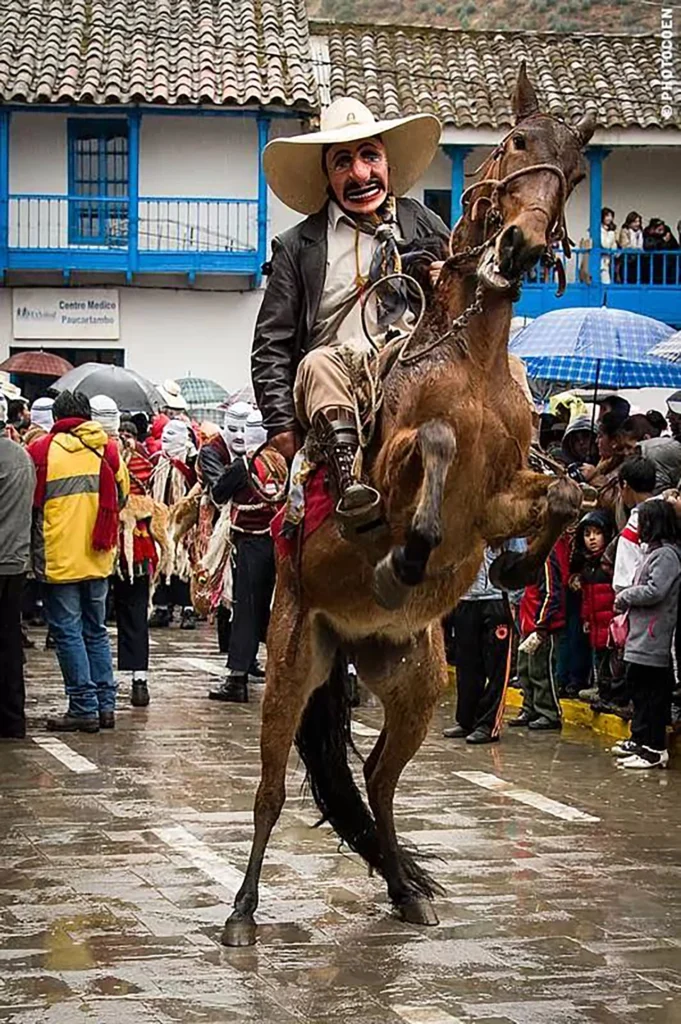
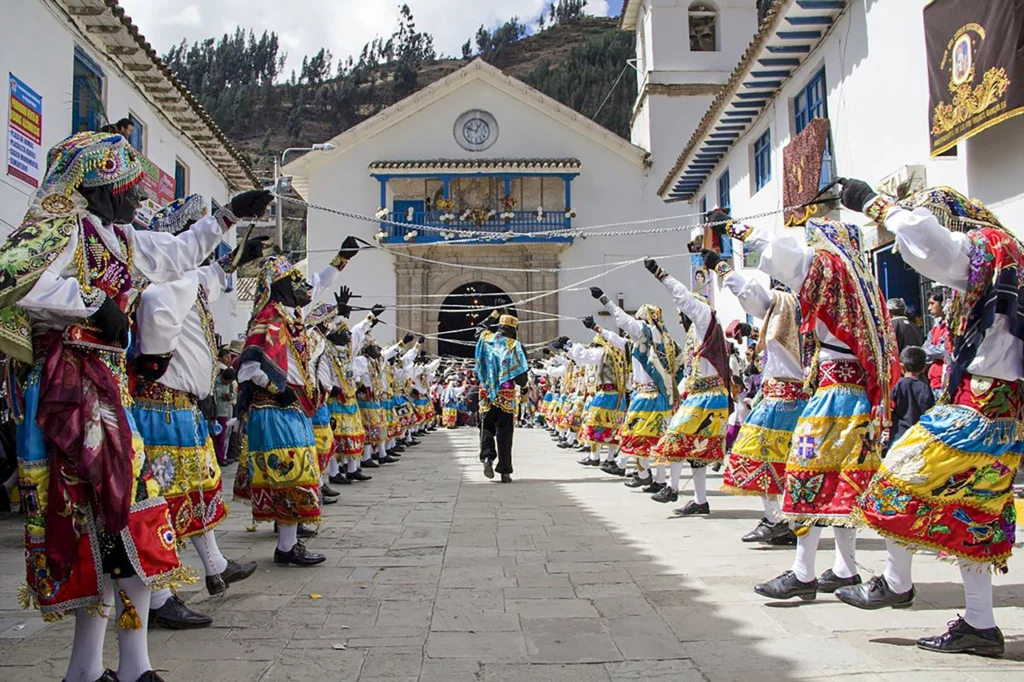
During the holidays, the streets of Paucartambo are transformed into stages filled with music, color, and joy. Dancers, musicians, and devotees turn every corner of the town into a true expression of cultural identity.
Main festival program
July 1–15: Novenas
The celebrations begin with the traditional novena masses, held every night in honor of Our Lady of Mount Carmel.
July 15: Opening of the festival
On this day, the opening Mass is held, followed by a grand parade of the dance troupes, which wind their way through the town’s streets before gathering in the main square for their performances.
July 16: Main Day
El 16 de julio constituye la fecha principal de la festividad. Se celebra la solemne misa de fiesta, seguida de la tradicional repartición del Once y la procesión de la Mamacha Carmen, acompañada por cientos de danzantes y devotos.
July 17: Blessing and guerrilla
On this day, the traditional blessing and the guerrilla take place, one of the activities most eagerly anticipated by attendees
July 18 and 19: Closing of the festival
The celebrations culminate with the Watatiaycuy, the Oqaricuy, and, in some cases, the Walqanche, or farewell to the musicians. Activities such as bullfighting and horse races are also held.
A devotion that stands the test of time
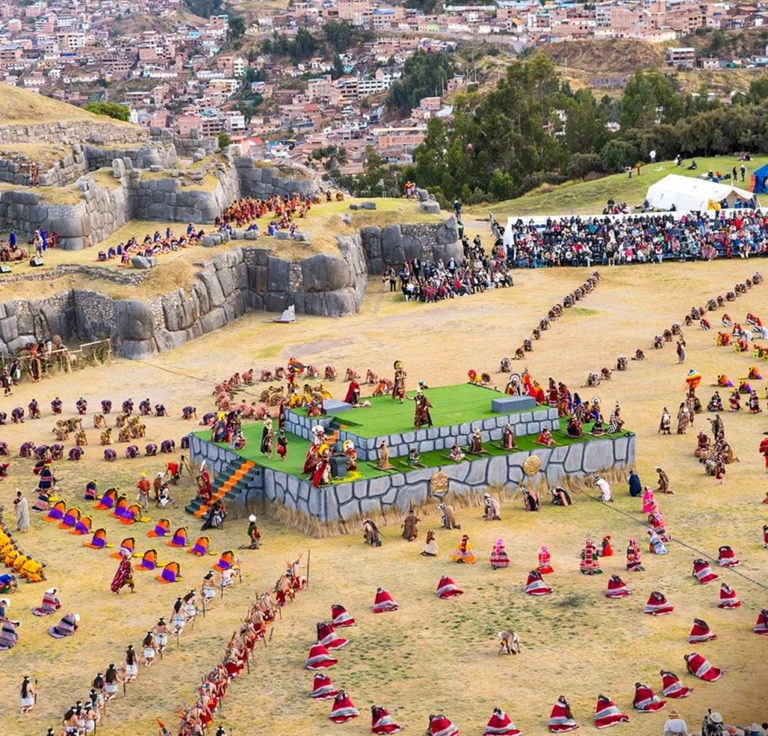
Devotion to Virgin of Carmen has remained alive for more than three centuries. Its significance was officially recognized on February 3, 1985, when the statue was pontifically crowned by Pope John Paul II on the esplanade of Sacsayhuamán.
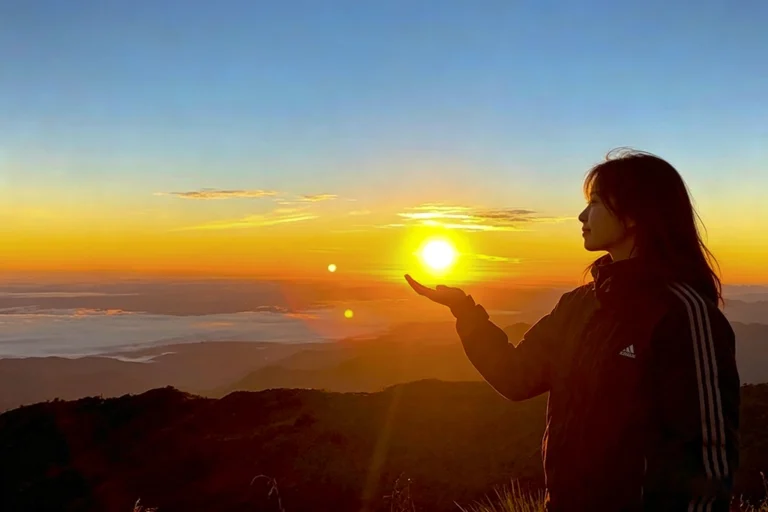
Likewise, during the festivities, numerous pilgrims make the ascent to the Tres Cruces site to watch the sunrise, considered one of the most impressive natural spectacles in Peru.
My opinion
In my opinion, Paucartambo is a province rich in culture, tradition, and customs that make it unique. The festival of the Virgin of Carmen is impressive because it allows us to see how a town’s faith and identity are kept alive from one generation to the next.
What stands out most is the immense devotion of its residents. Experiencing these festivities means immersing yourself in an atmosphere filled with music, dance, joy, and togetherness. Every street, every procession, and every activity conveys a special feeling that spreads to those visiting the town. Without a doubt, participating in this celebration is an unforgettable experience that leaves lasting memories and offers a glimpse into one of the most important cultural expressions of Cusco and Peru.