Inti Raymi: History and Meaning of the Festival of the Sun
Inti Raymi is one of the most important cultural expressions of the Inca legacy and serves as a symbol of identity for the people of Cusco. This festival, known as the Festival of the Sun, helps keep alive the historical memory of one of the most advanced civilizations in the Americas. Through the reenactments held each year, thousands of people can connect with the past and understand the significance this ceremony held within the political, religious, and social organization of the Tawantinsuyo. Today, Inti Raymi is not only a cultural expression but also a source of pride for the people of Cusco and an attraction that draws visitors from around the world.
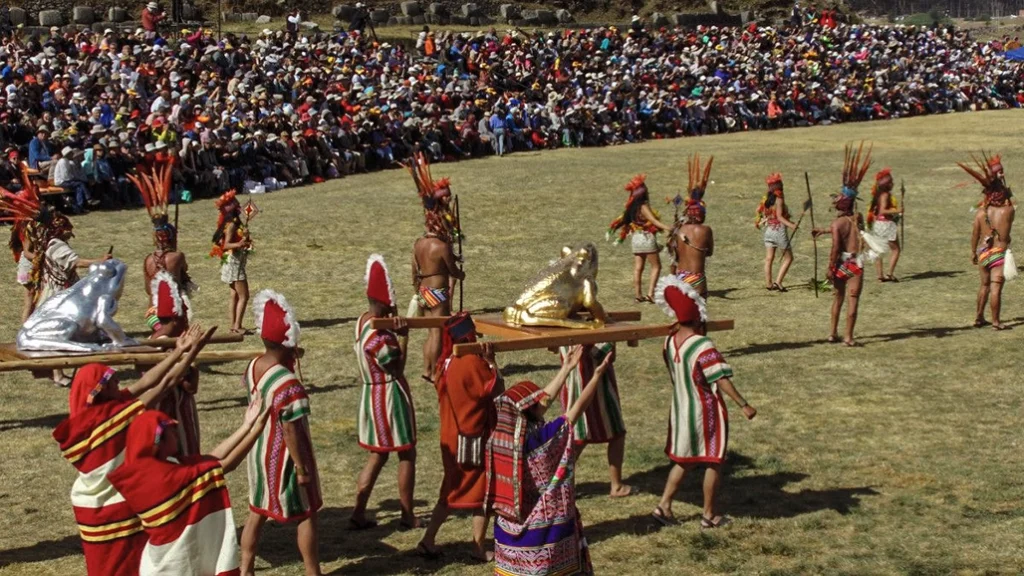
What is Inti Raymi?
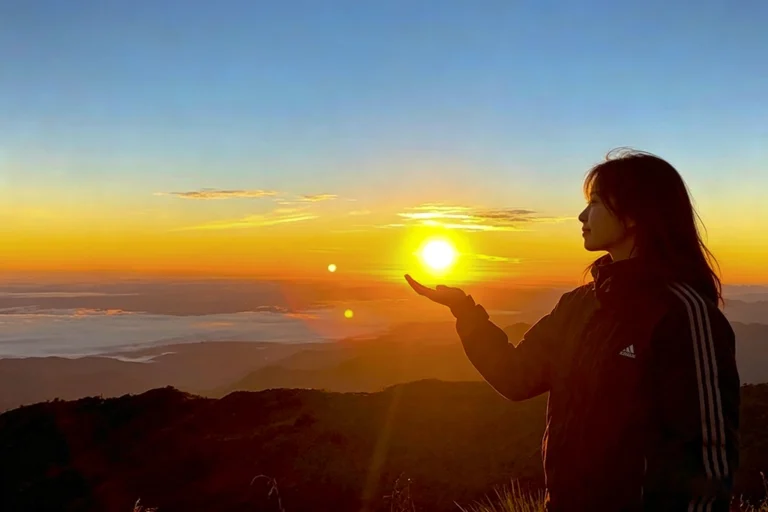
Was the most important religious ceremony of the Inca Empire, dedicated to the Sun God, known as Inti. In the Quechua language, the term Inti Raymi means “rebirth of the Sun” or “resurrection of the Sun.” The Incas regarded the Sun as the giver of life and worshipped it in gratitude for the blessings it bestowed upon humanity.
This festival took place in the city of Cusco, the ancient capital of the Inca Empire, during the winter solstice, around June 24. The ceremony marked the moment when the days began to grow longer and heralded the start of a new agricultural cycle. Participants also sought the blessing of Pachamama, or Mother Earth, to ensure bountiful harvests and prosperity.
The Astronomical Significance of Inti Raymi
The Sun and the Measurement of Time
The Incas possessed extensive astronomical knowledge that allowed them to observe and understand the movements of the Sun. According to the chronicles of Juan de Betanzos, there were special structures located on the eastern and western horizons that served as reference points for observing the Sun’s path throughout the year.
These markers made it possible to identify the winter and summer solstices, moments considered sacred within the Andean worldview. Tracking these phenomena was essential for organizing the population’s agricultural and religious activities.
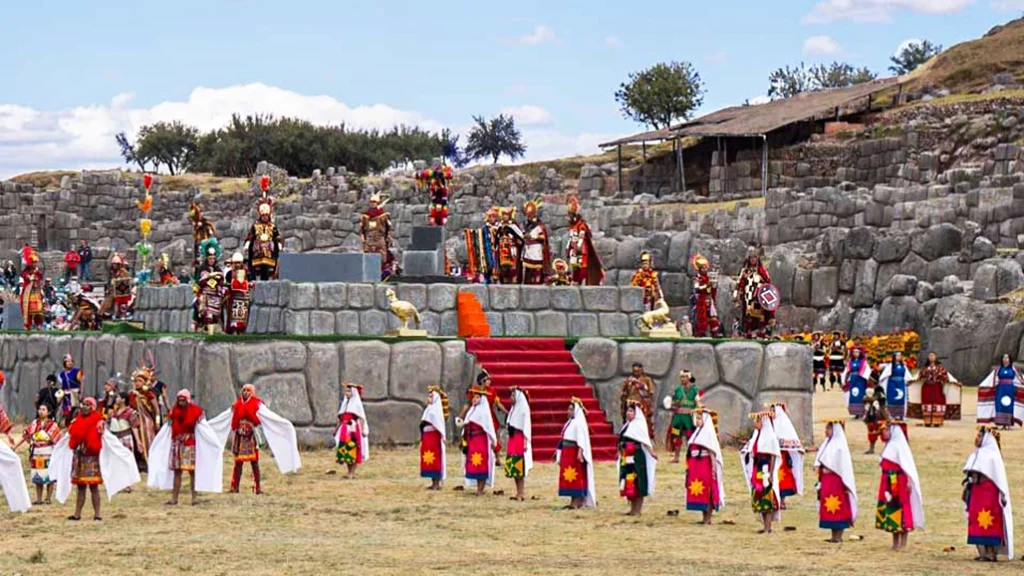
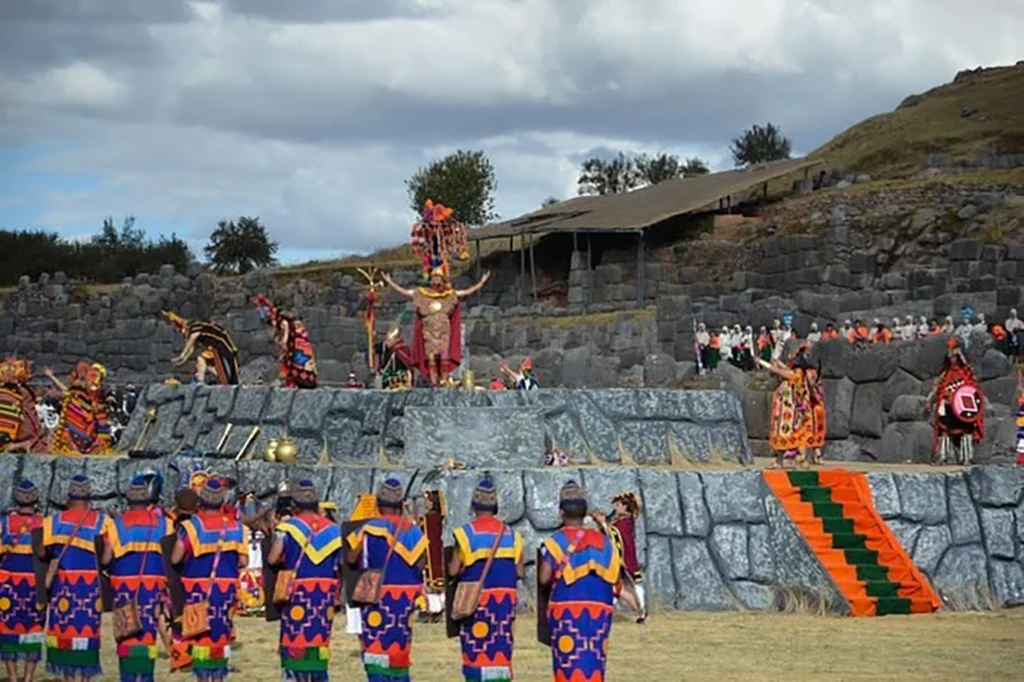
The Meaning of the Winter Solstice
When the Sun reached the extremes of its path during the solstices, the ancient inhabitants of the Andes believed that it might drift away from Earth. This caused concern because the Sun was considered essential to life. For this reason, ceremonies were held to ensure its return and guarantee that it would continue to illuminate and warm the world.
Inti Raymi in the Inca Empire
The winter solstice was interpreted as the rebirth of the Sun and the beginning of a new annual cycle. Thus, Inti Raymi symbolized the renewal of life and hope for future harvests.
The Most Important Festival of the Tawantinsuyo
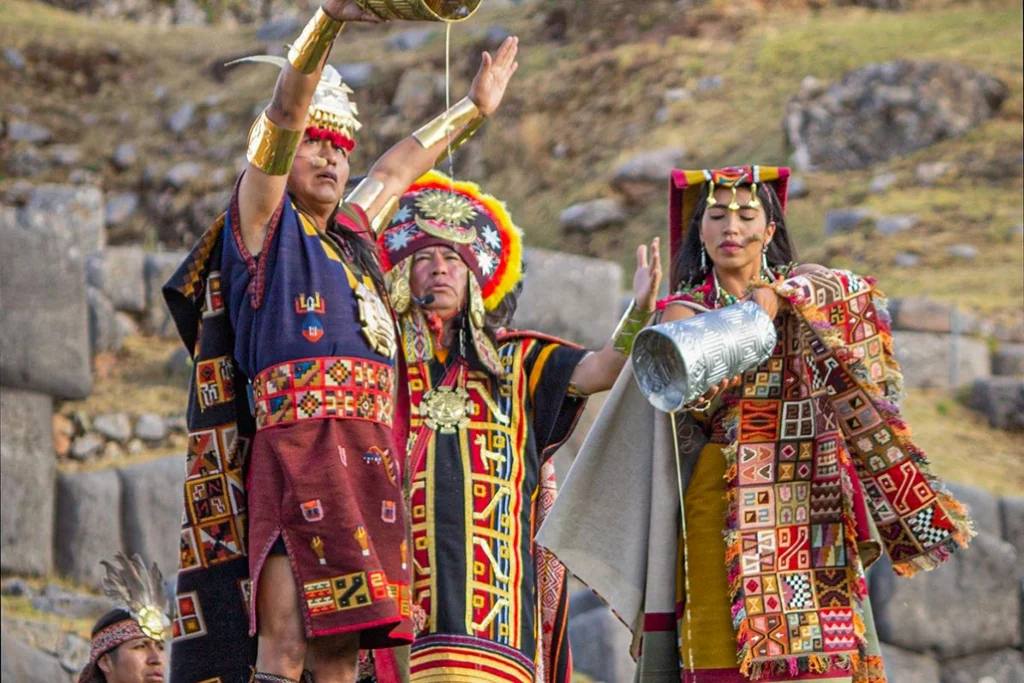
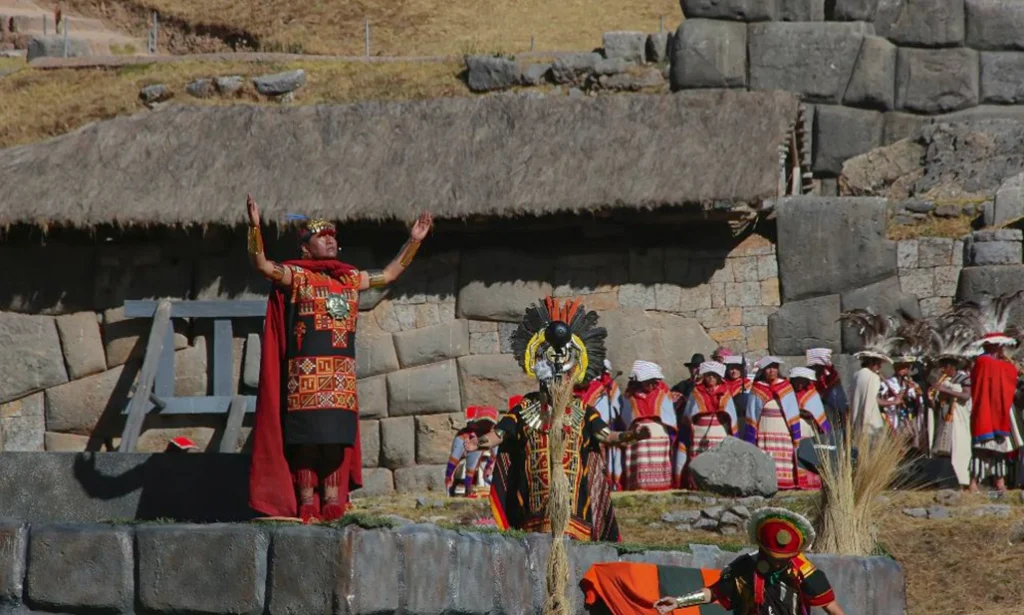
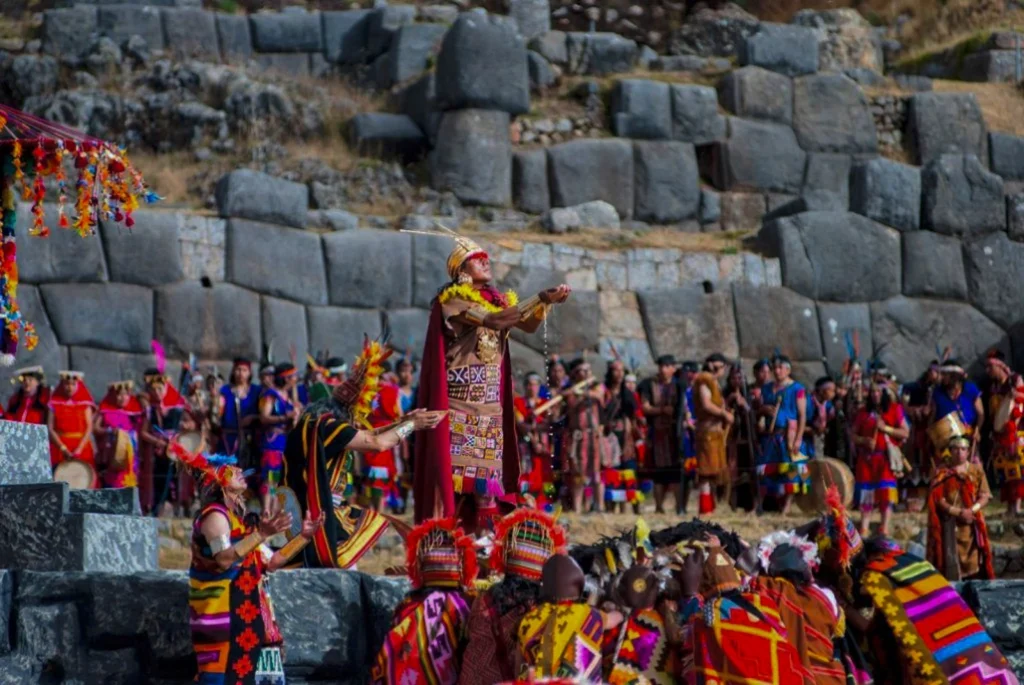
Various chroniclers, including Garcilaso de la Vega, described Inti Raymi as “the festival of festivals.” During this celebration, the Incas paid homage to the Sun as the supreme deity and recognized the authority of the Inca as its representative on Earth.
The festival brought together officials, curacas, military leaders, and representatives from different regions of Tawantinsuyo. Each delegation arrived in their finest attire, bearing insignia and symbols of power, demonstrating respect and loyalty to the ruler.
Fasting and Ritual Preparation
Before the celebration, participants observed a three-day fast during which they consumed only corn and water. In addition, lighting fires was prohibited throughout the city, symbolizing a transitional phase before the start of a new cycle.
Meanwhile, the acllas—or chosen women—prepared the food and drinks intended for the religious ceremonies. They also organized the offerings and sacrifices that would form part of the rituals dedicated to the Sun.
The Ceremony Itself
At dawn on the main day, the Inca, his family, and the curacas gathered in Cusco’s main square to await the sunrise. Everyone gazed toward the eastern horizon while performing acts of veneration and thanksgiving.
The celebration lasted nine days, during which dances, songs, processions, and religious ceremonies took place. In addition, food and drink were shared as a symbol of unity among the peoples who made up the Empire.
The Ban and Revival of Inti Raymi
After the arrival of the Spanish, the Catholic Church banned the celebration because of its indigenous religious nature. However, many communities continued to practice certain ceremonies in secret to preserve their beliefs and traditions.
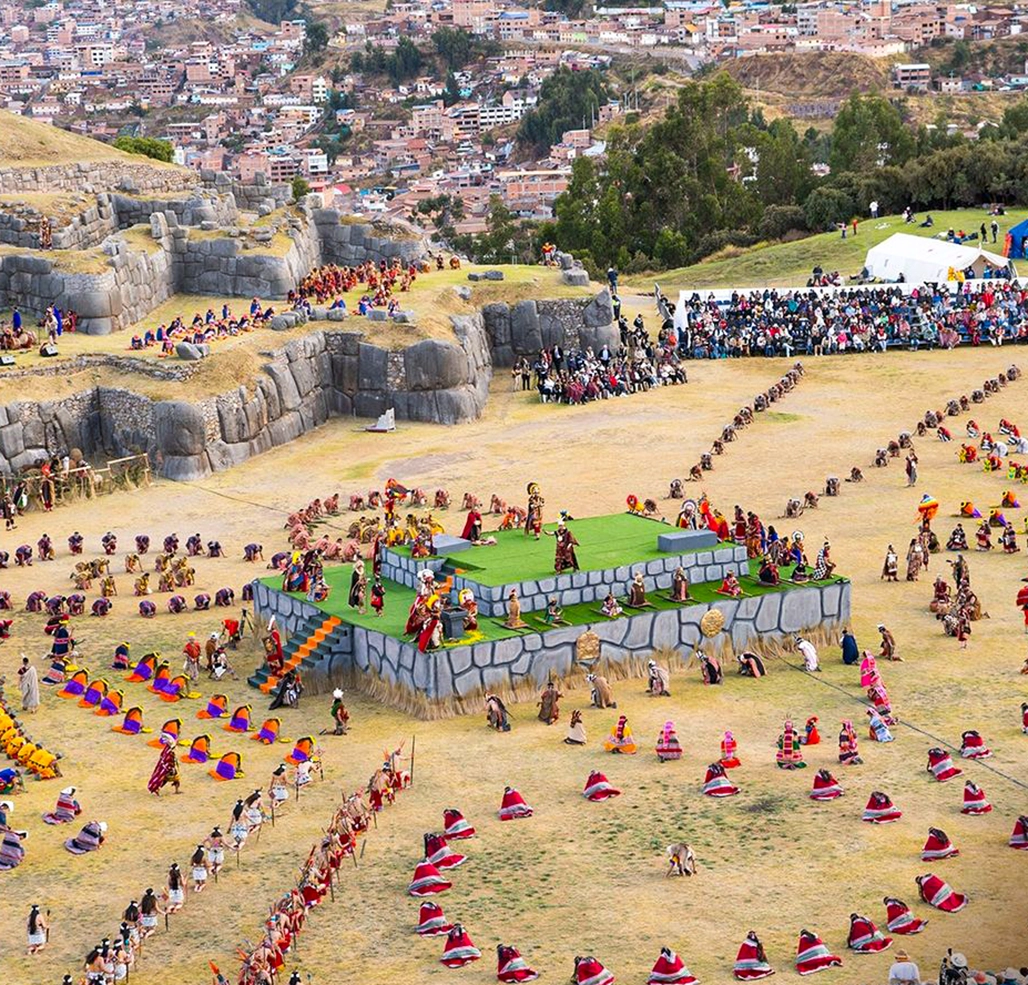
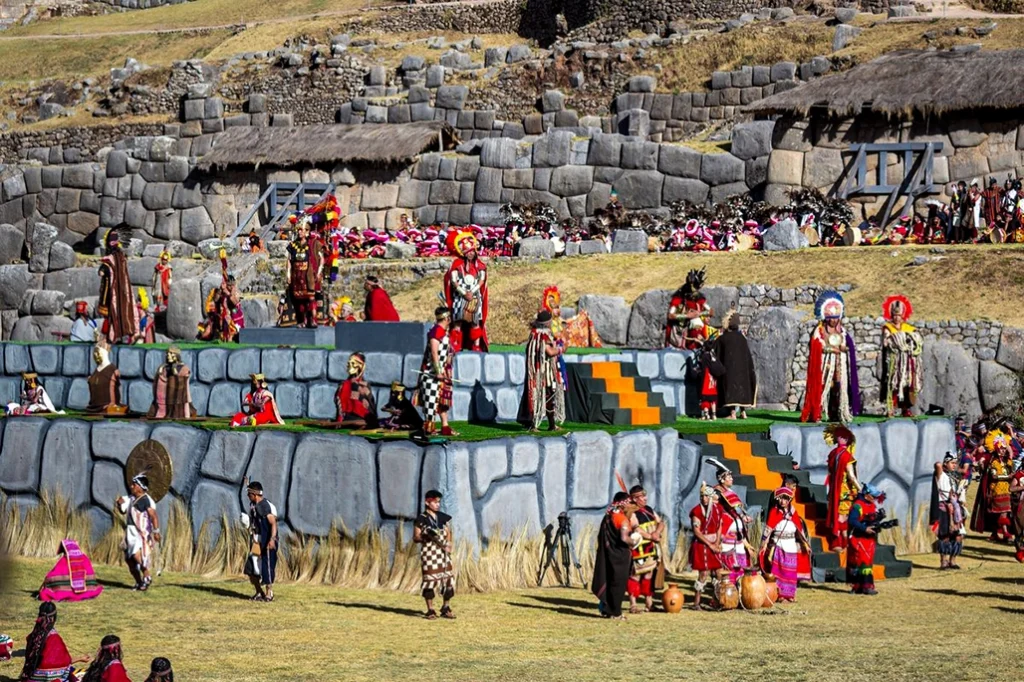
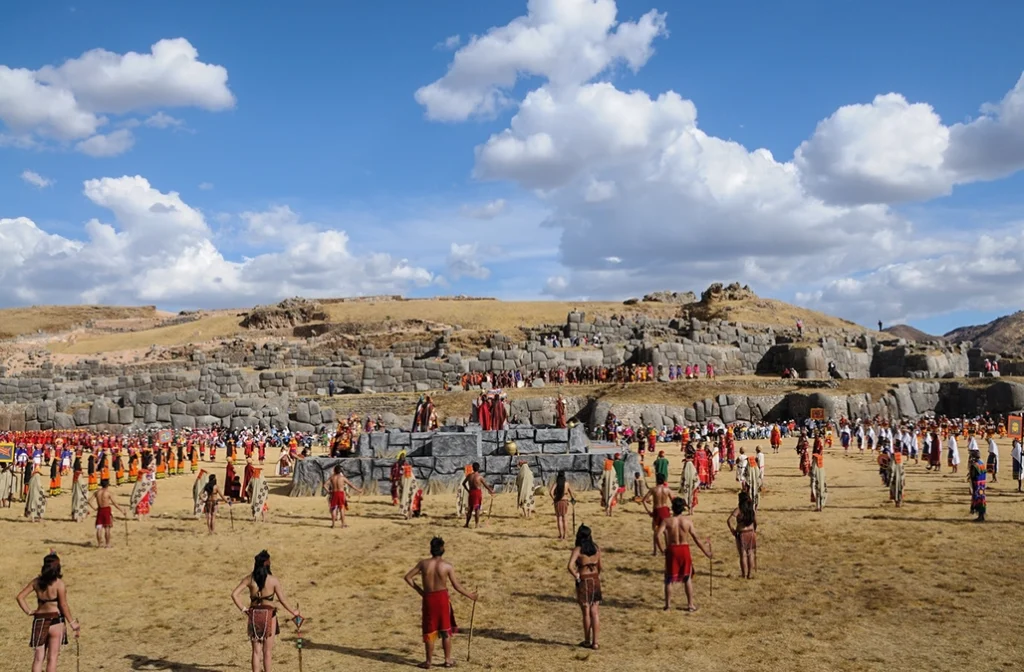
It was not until June 24, 1944, that a historical reenactment of the ceremony took place at Sacsayhuamán. Since then, Inti Raymi has once again taken a prominent place within Andean culture and has become one of the most important events on the Peruvian cultural calendar.
Inti Raymi as an Expression of Cultural Identity
For the people of Cusco,represents much more than a festival. It is a living manifestation of the Inca heritage and a way to reaffirm the region’s cultural identity. Thanks to today’s reenactments, it is possible to imagine how our ancestors lived and to better understand their worldview.
This celebration demonstrates that the wealth of the Inca Empire lay not only in gold or silver, but also in its agricultural, astronomical, and spiritual knowledge. The Incas maintained a close relationship with nature and understood the importance of balance between humans and their environment.
My opinion
Is a tradition that has stood the test of time and survived centuries of historical changes. Its revival has helped strengthen our collective memory and keep alive one of the most representative cultural expressions of the Andean world. Preserving this festival means protecting a fundamental part of our history, identity, and cultural heritage. For this reason, new generations must value and promote this ancestral heritage to ensure that it continues to be a symbol of pride for Cusco and for all of Peru.