Sacred Valley of the Incas: History and Culture
Sacred Valley of the Incas is one of the most representative areas of the Inca Empire’s legacy and one of Peru’s top tourist destinations. Located in the Cusco region, this valley boasts an extraordinary natural, historical, and cultural richness that has endured through the centuries. Its fertile lands, the Vilcanota River, and the agricultural knowledge developed by the ancient Incas made it a strategic location for food production, the establishment of administrative centers, and the performance of religious ceremonies. Today, exploring the Sacred Valley means discovering the grandeur of a civilization that knew how to live in harmony with nature and left an invaluable legacy for future generations.
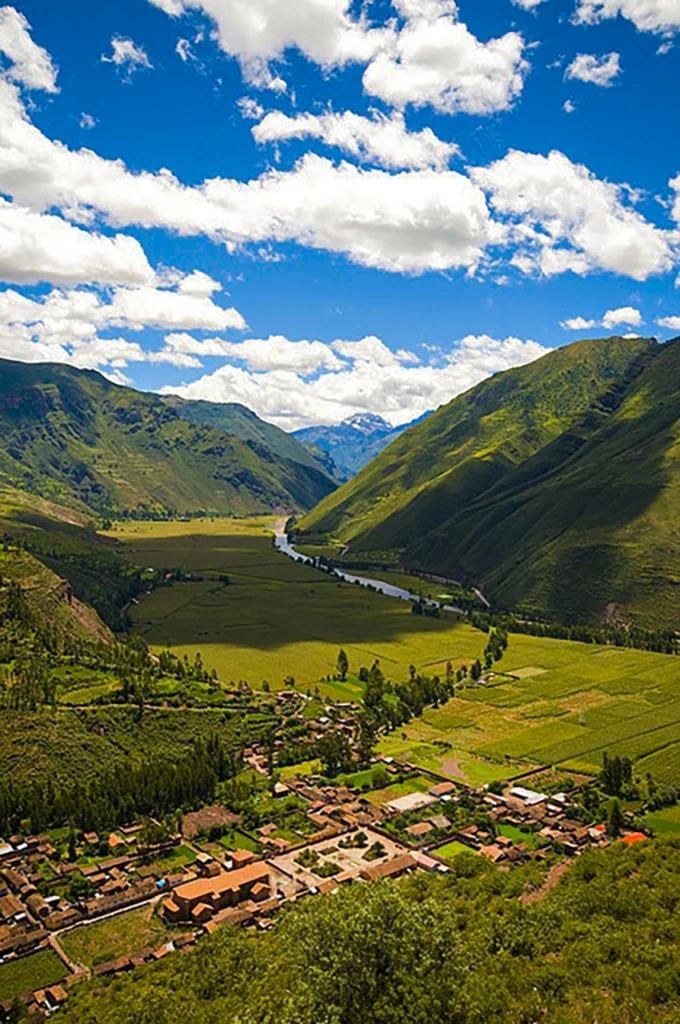
What is the Sacred Valley of the Incas?
The Sacred Valley of the Incas is a vast region located between the provinces of Cusco and Urubamba. It was one of the most important areas of the Inca Empire due to its excellent geographical, climatic, and agricultural conditions.
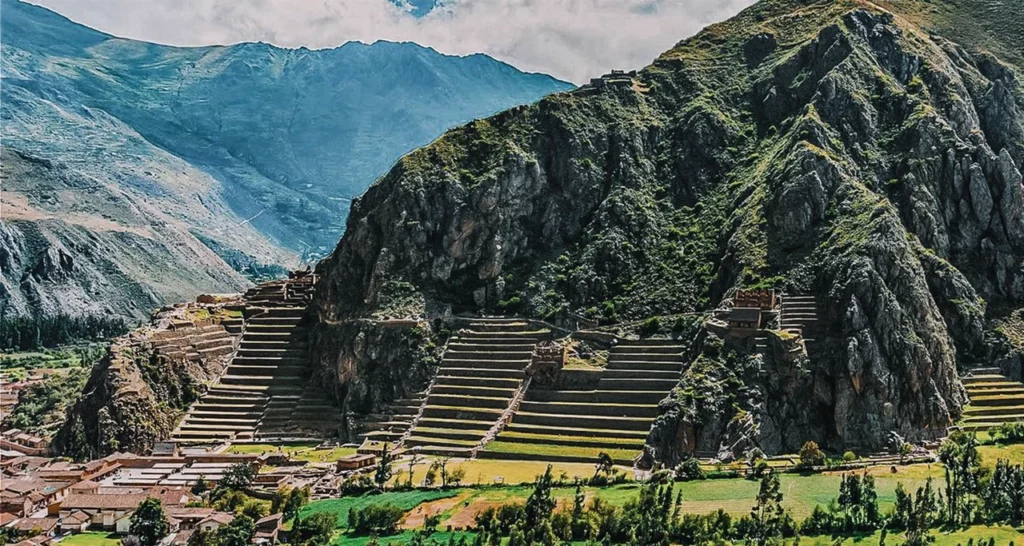
This valley stretches for more than 100 kilometers, with Pisac and Machu Picchu at its two ends, and includes major towns such as Ollantaytambo, as well as numerous administrative, agricultural, ceremonial, and religious centers.
Why is it called the Sacred Valley?
The ancient Andean peoples considered this territory a sacred place because of the presence of three fundamental elements.
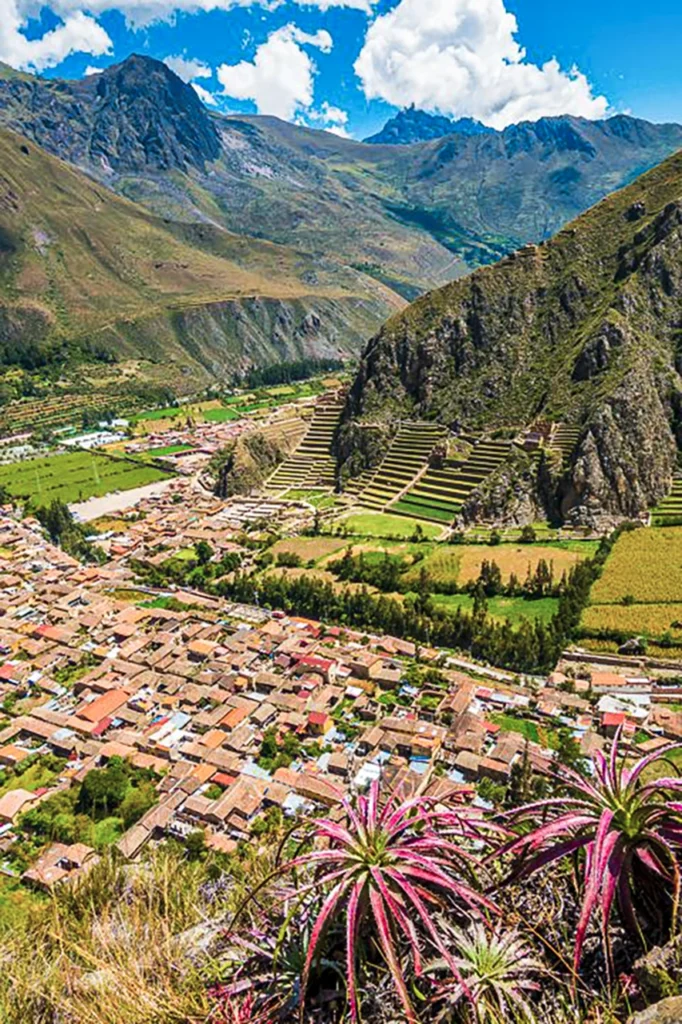
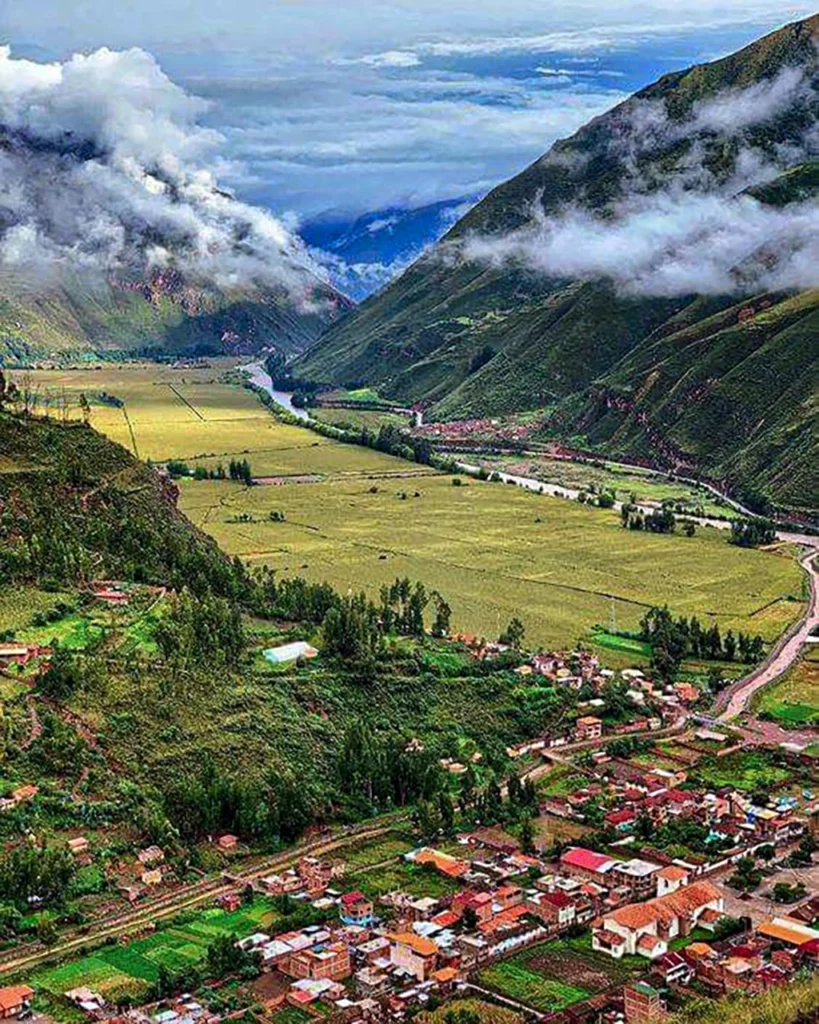
The Vilcanota River or Willkamayu
The main feature of the valley is the Vilcanota River, also known as Willkamayu, which means “sacred river.” It originates between the regions of Cusco and Puno and, after flowing through much of the Andean territory, forms part of the river system that empties into the Amazon River.
For the Incas, water represented life, fertility, and a sacred element linked to their worldview.
A climate favorable for agriculture
Thanks to its average elevation of between 2,000 and 2,900 meters above sea level, the valley has a temperate, humid climate, with temperatures ranging from 8 °C to 18 °C.
These conditions have made it possible to grow a wide variety of agricultural products year-round.
Highly fertile lands
The soils of the Sacred Valley are extraordinarily fertile, enabling highly productive agriculture. This characteristic made the valley one of the main food-supplying centers of the Inca Empire.
The Altitudinal Zones of the Sacred Valley
Climatic diversity allowed for the development of different ecological zones, according to Dr. Olarte Estrada’s proposal for southeastern Peru.
Yunka flooring or warm flooring
It is located at an elevation of between 1,000 and 2,000 meters.
Its climate is warm and humid, with temperatures ranging from 18 °C to 24 °C. Tropical crops such as the following are grown here:
- Cocoa
- Coffee
- Cassava
- Sugar cane
Qheswa or temperate climate
It lies at an elevation of between 2,000 and 3,300 meters. It has a temperate climate ideal for growing:
- Corn
- Beans
- Peas
- Various vegetables
Transition floor
It is located between 3,300 and 3,700 meters.
It has a cool-temperate climate, and corn and potatoes are the predominant crops.
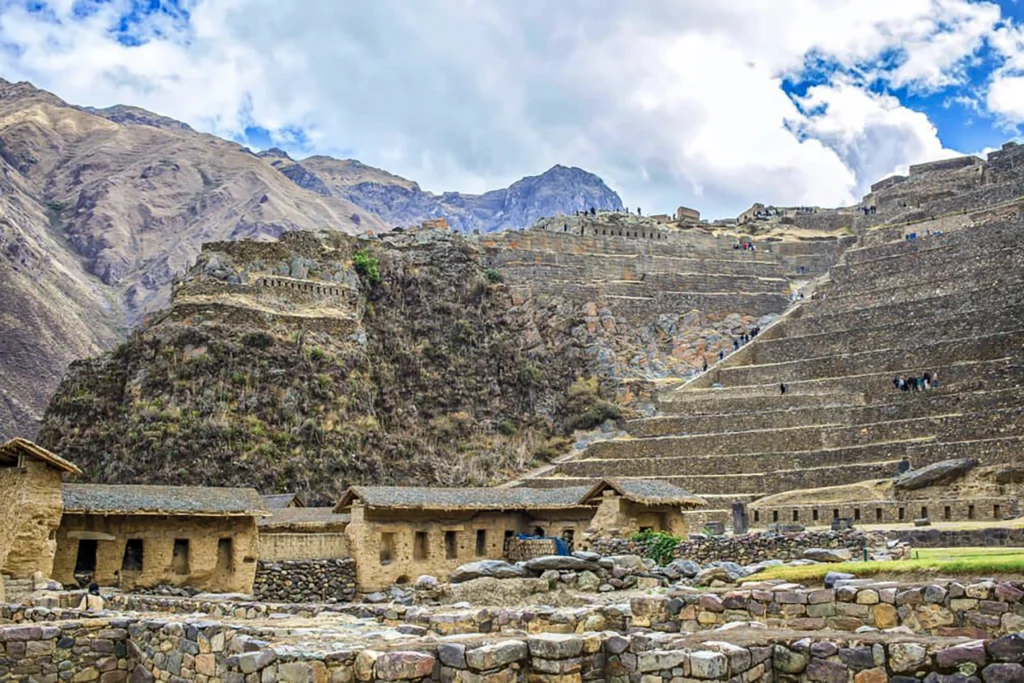
Puna Apartment
This apartment is divided into two sections.
Lower Puna
Between 3,700 and 4,000 meters.
Alpaca and sheep grazing predominate due to the low temperatures.
High Puna
Between 4,000 and 4,500 meters.
It has an extremely cold climate, with natural grasslands predominating.
Rit’i Apartment
It occurs at altitudes above 4,500 meters.
It corresponds to areas of permanent snow cover with very low temperatures throughout the year.
Historical Significance Within the Inca Empire
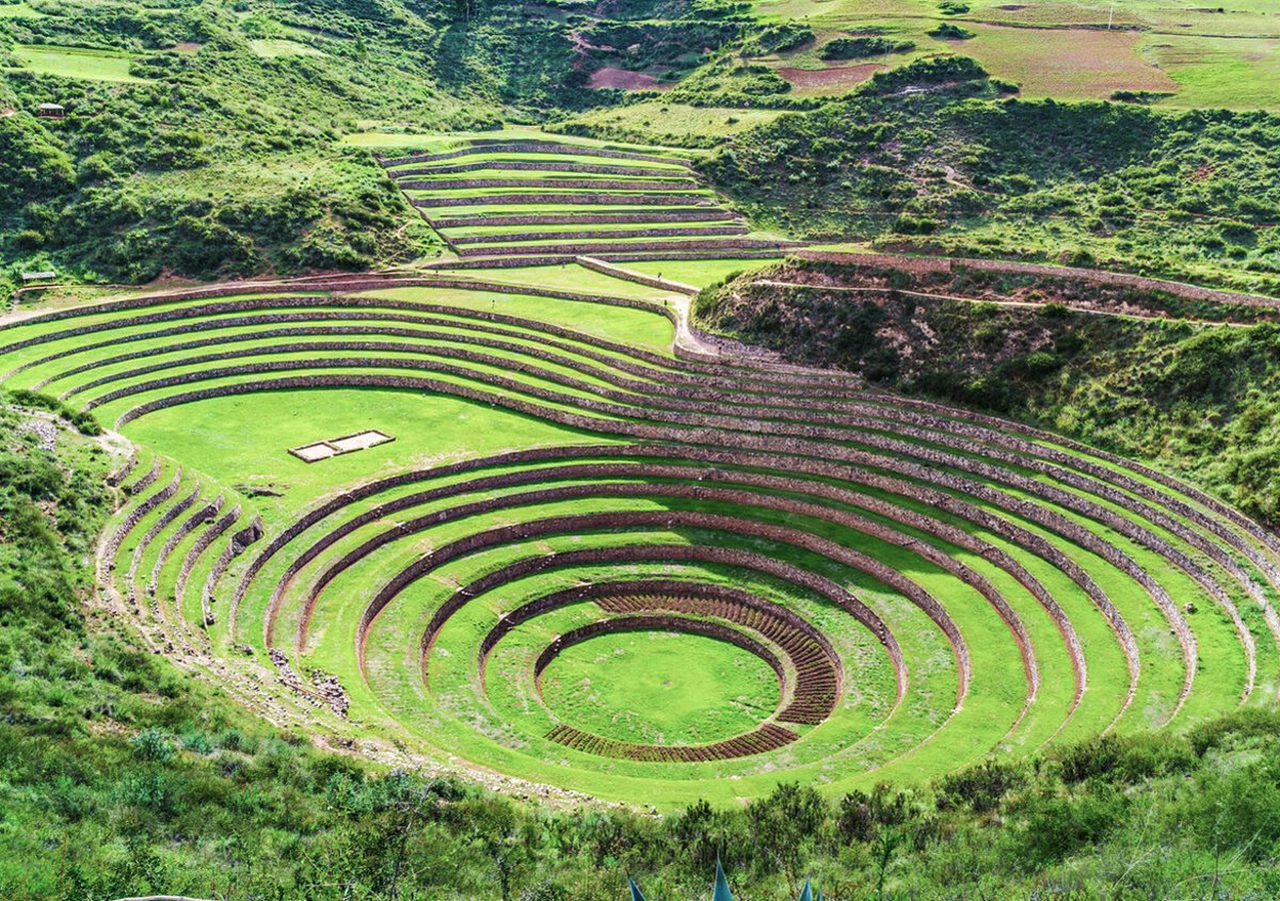
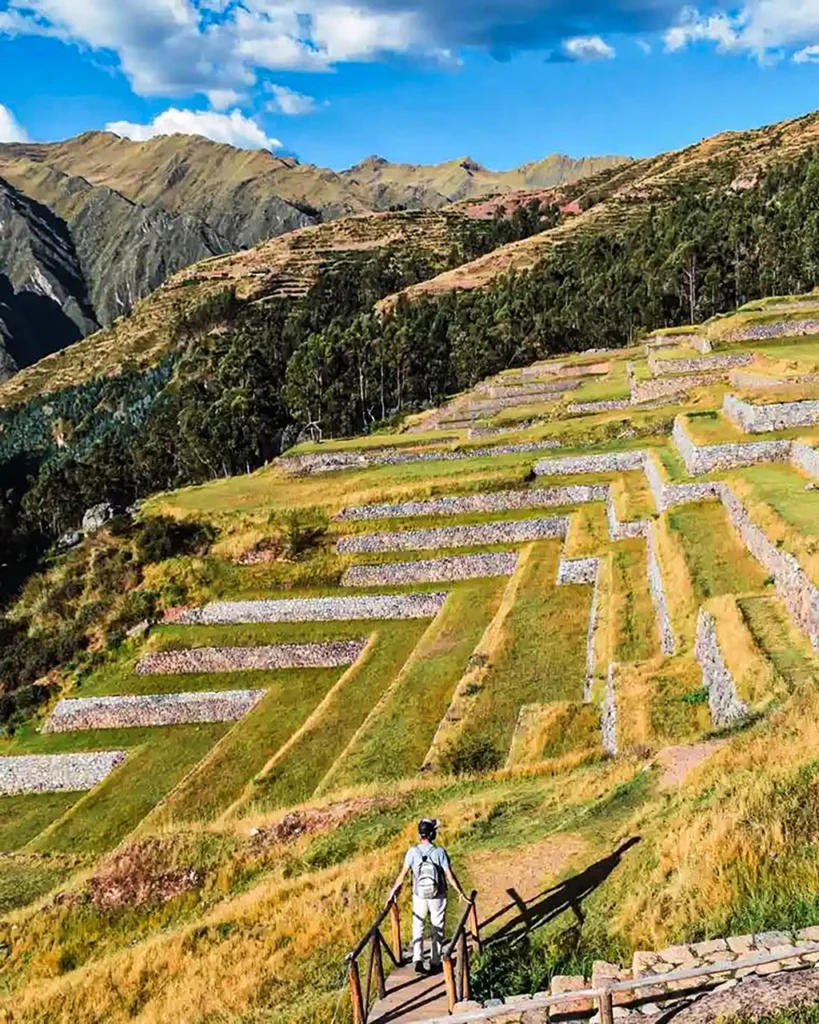
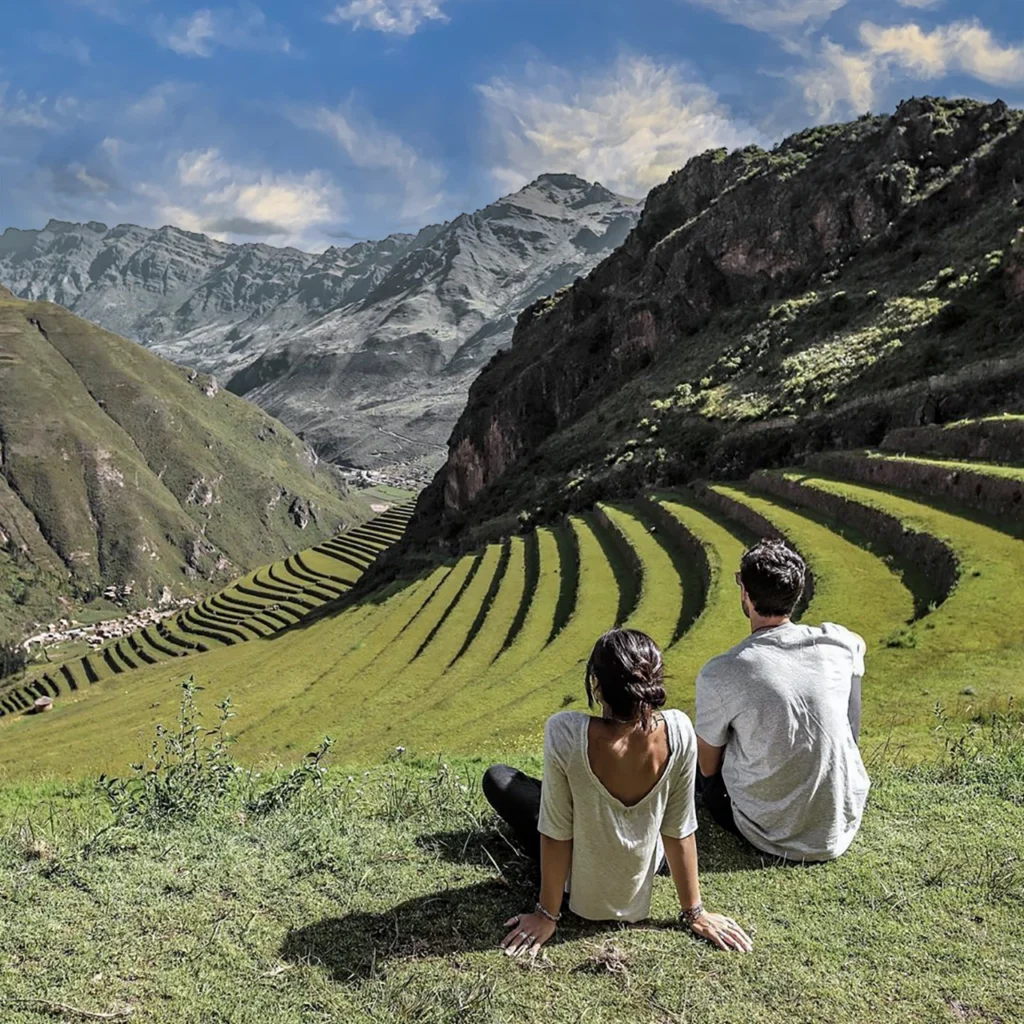
It was one of the main political, agricultural, and religious centers of the Inca Empire. Administrative complexes, fortresses, temples, and agricultural terraces were built here, which made it possible to organize food production to supply a large part of the Tahuantinsuyo.
Furthermore, tradition holds that Pacaritampu—considered the birthplace of the Incas—was located in the middle section of the valley, reinforcing its sacred status within the Andean worldview.
The Willkamayu River and the Andean Worldview
For the Incas, the Willkamayu River was not merely a source of water.
It represented a spiritual element linked to the Milky Way—or the celestial Mayu—establishing a connection between the earthly world and the universe.
This concept demonstrates the deep respect that Andean culture held for nature and the elements that made life possible.
Why Visit the Sacred Valley of the Incas?
Today, the Sacred Valley remains one of Peru’s most important destinations due to its immense cultural and scenic richness.
Visitors can enjoy:
- Unique natural landscapes.
- Archaeological sites of great historical value.
- Living traditions of Andean communities.
- Cuisine based on local agricultural products.
- Cultural and nature tourism activities.
My Opinion
The Sacred Valley of the Incas is a symbol of Peru’s cultural identity and, in particular, of the people of Cusco. Learning about its history allows us to appreciate the ancestral knowledge of our forebears, who managed to live in harmony with nature and develop sustainable agriculture long before the arrival of modern technology. As Peruvians, we should be proud