Qoricancha: The Spiritual Heart of the Inca Empire
Qoricancha, also known as Coricancha, was one of the most important sites of the Inca Empire. This complex was not only the main Temple of the Sun but also the center where religious ceremonies took place and much of the spiritual life of ancient Cusco unfolded. Its name comes from the Quechua term Quri Kancha, meaning “Enclosure of Gold,” a name that reflects the immense value this site held during the Inca era. Today, the Qoricancha in Cusco remains one of the finest examples of Inca architecture and a must-see for anyone wishing to learn more about Cusco’s history and cultural heritage. In addition to its beauty, this monument offers insight into how the Andean world and Spanish culture coexisted after the conquest.
History of the Coricancha
The closely linked to the development of the Inca Empire. This temple was dedicated primarily to the god Inti, considered the supreme deity of the Incas. Although the site had existed previously, it was during the reign of the Inca Pachacútec in the 15th century that it reached its peak of importance and became the main ceremonial center of the Tahuantinsuyo.
Various chroniclers reported that the temple was striking for the wealth it housed. Its walls were covered with gold leaf, and its gardens featured figures of plants, llamas, and other elements crafted from precious metals. However, much of this wealth disappeared during the Spanish conquest, when it was removed and melted down.
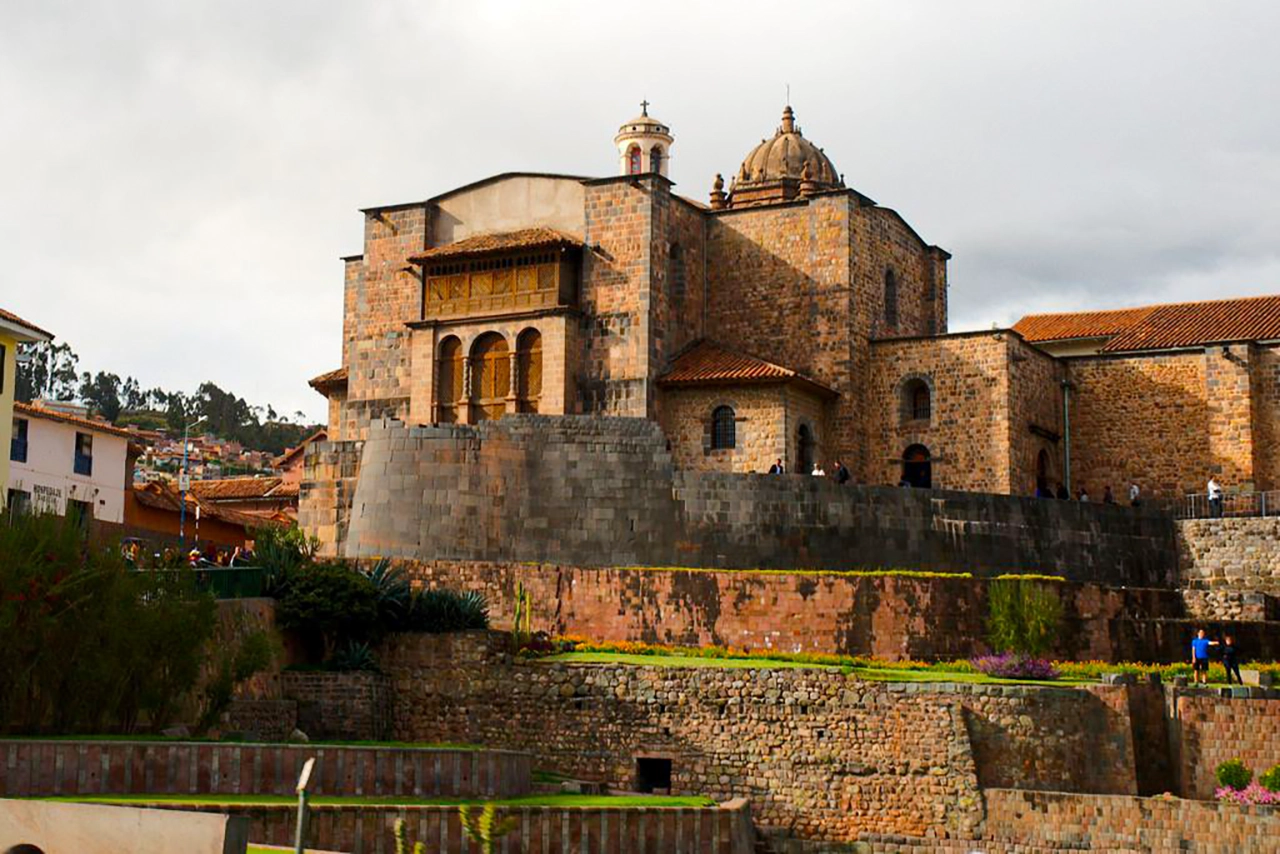
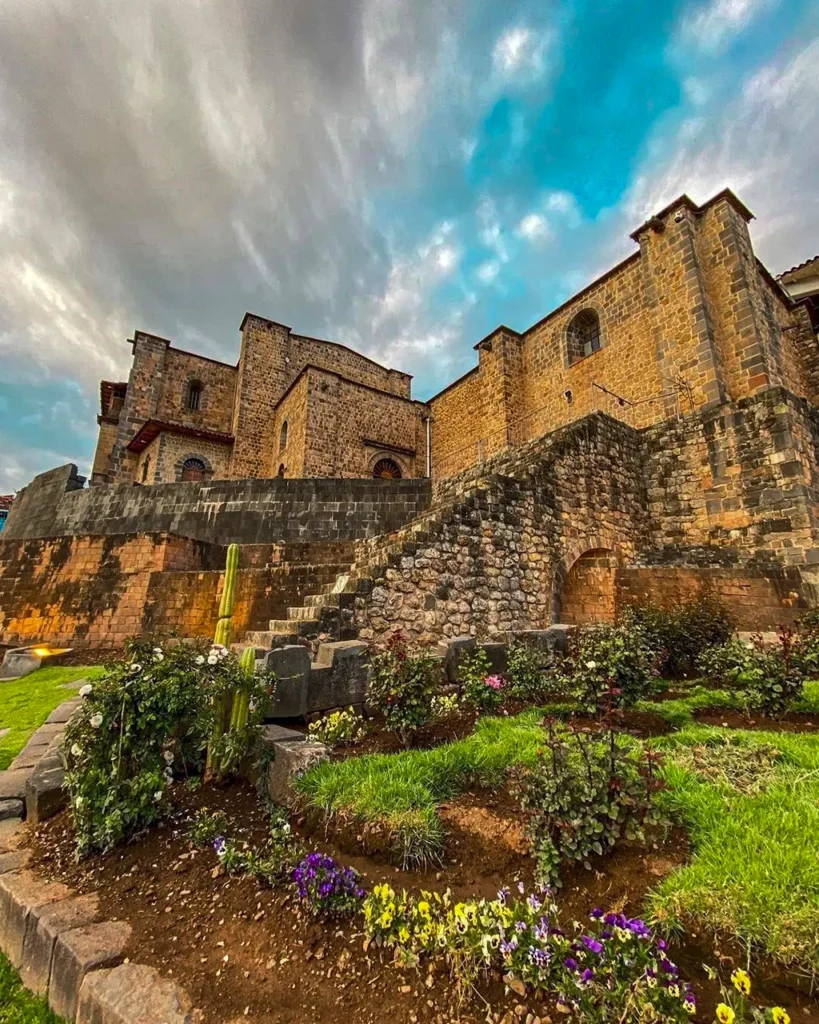
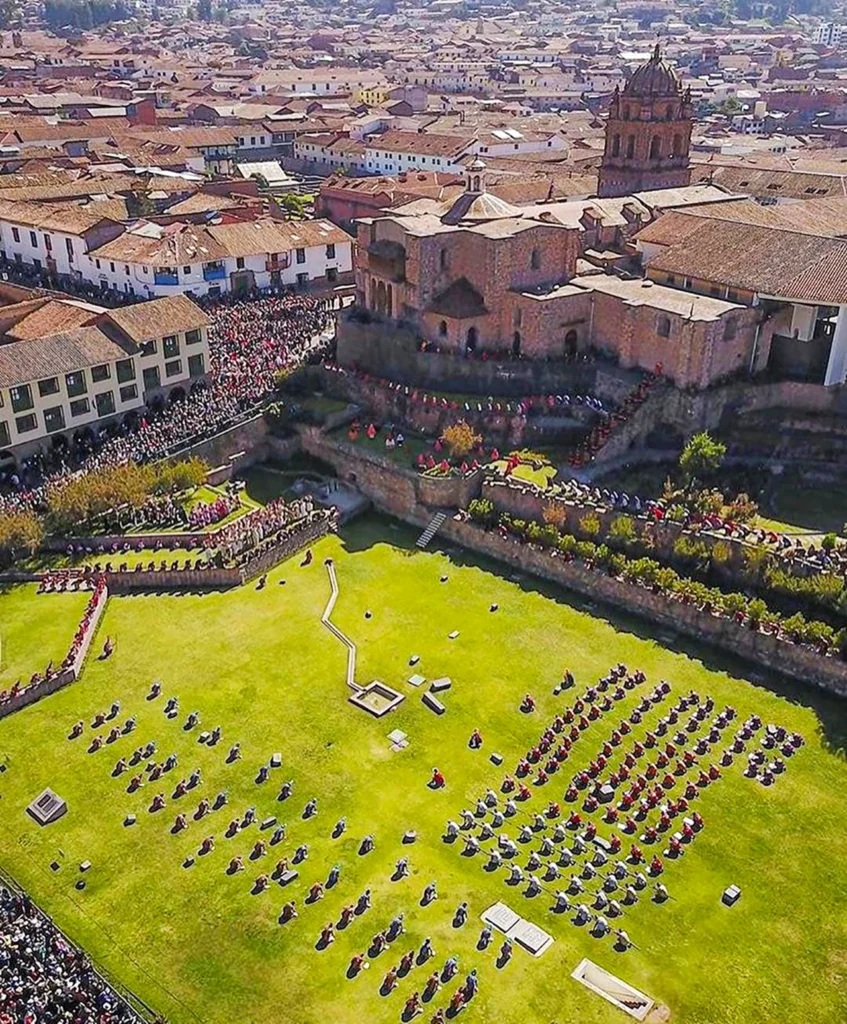
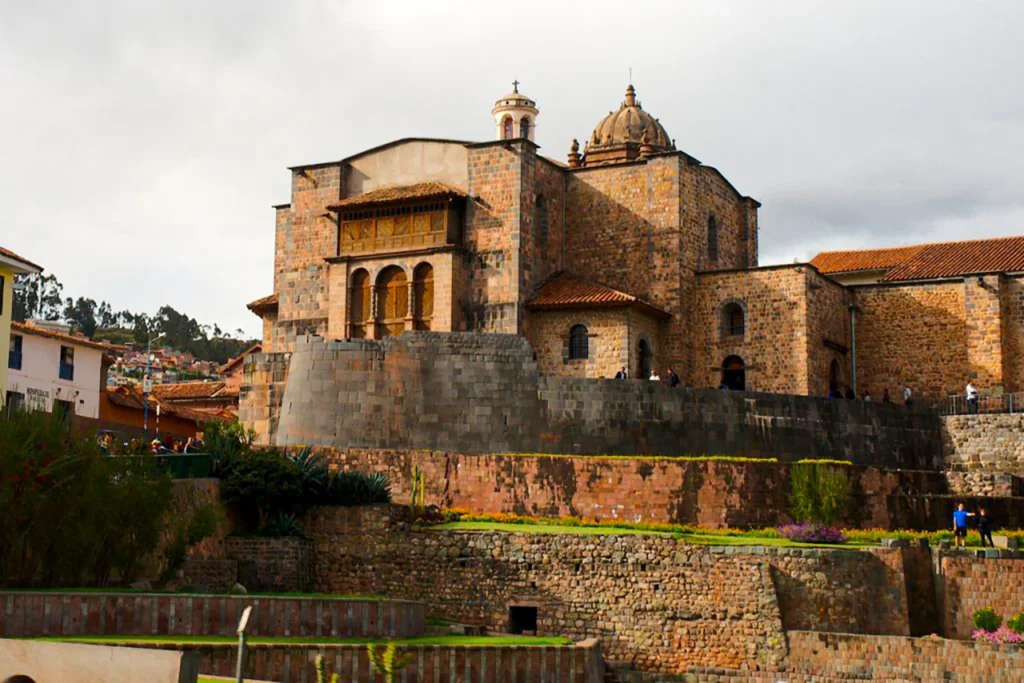
Over time, the Spaniards built the Convent of Santo Domingo on the foundations of the ancient temple. Despite this, many of the original walls of the Qoricancha remain standing to this day, demonstrating the quality of the Incas’ construction.
Inca architecture that continues to amaze
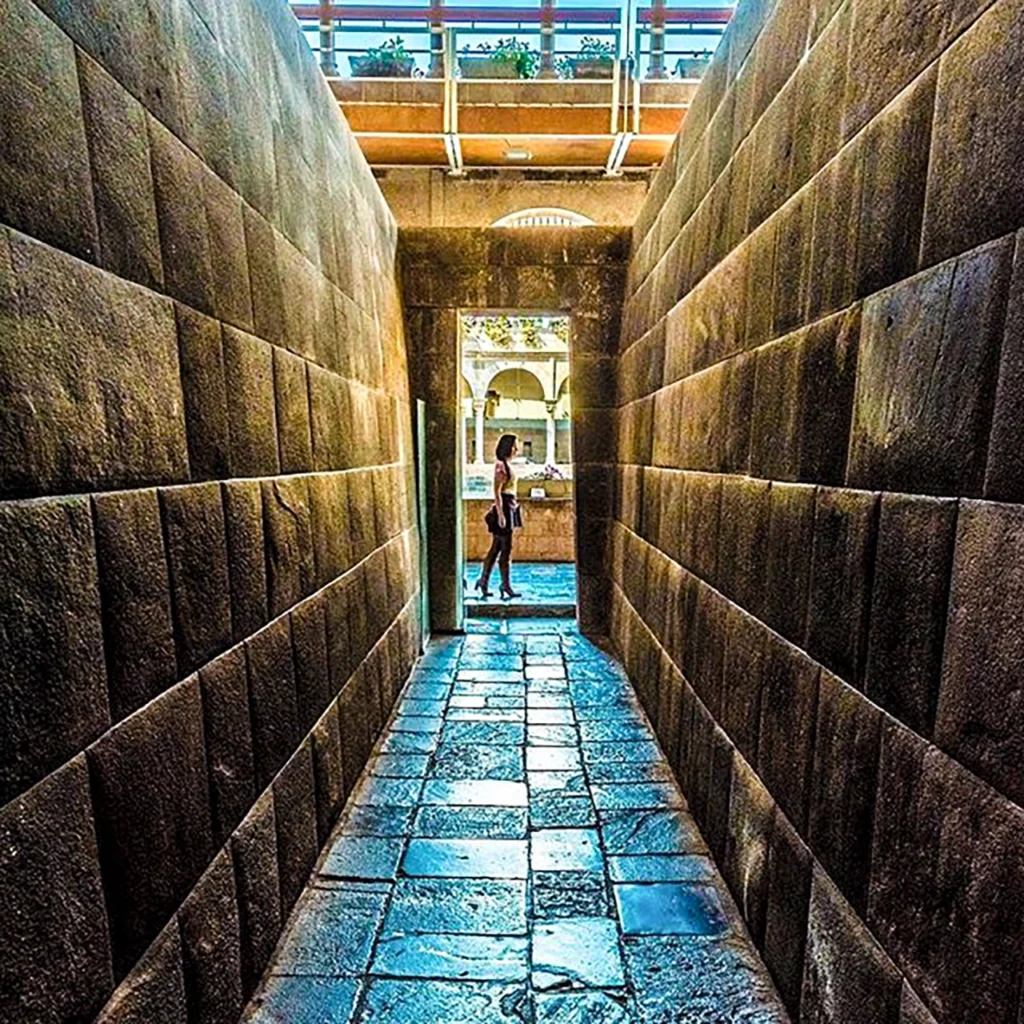
One of the most striking aspects of the Qoricancha is its extraordinary Inca architecture. Each stone block was carved with great precision to fit perfectly with the others, without the need for any kind of mortar.
- Among its most notable features are:
- Carefully polished andesite stone walls.
- Nearly perfect joints between the stone blocks.
- Slightly sloped walls that provide greater stability.
- Curved sections, which are uncommon in other Inca structures.
- Channels and fountains that were part of the complex’s ceremonial design.
Thanks to these construction techniques, much of the Coricancha in Cusco managed to withstand earthquakes that seriously damaged many colonial buildings.
Much More Than Just a Temple of the Sun
Although the Temple of the Sun was the most important structure in the complex, the also served religious and astronomical functions of great significance within the Inca Empire.
Inside, there were chambers dedicated to various Andean deities, including:
- Inti, the sun god.
- Mama Quilla, the moon goddess.
- Chaska, associated with the stars.
- Illapa, the god of lightning.
- Kuychi, the embodiment of the rainbow.
In addition, the temple was connected to the ceques system, a network of roads and sacred sites that linked Cusco with various ceremonial centers throughout the Tahuantinsuyo. This organization made the primary religious center of the Inca world.
The Encounter Between the Inca World and the Colonial Era
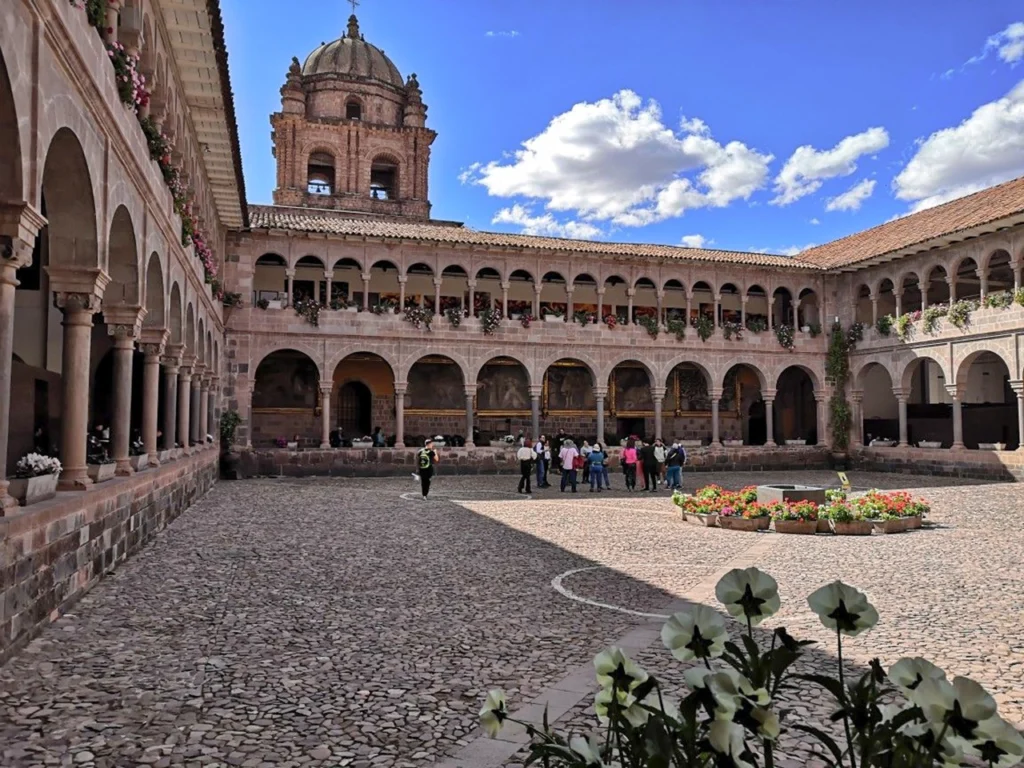
One of the most interesting features is that it allows us to appreciate the convergence of two very different eras. The Convent of Santo Domingo was built on the site of the ancient Inca temple, resulting in one of Peru’s most iconic architectural complexes.
While many colonial buildings were damaged by earthquakes, the Inca walls remained virtually intact. This fact demonstrates the high level of expertise achieved by the ancient builders and explains why Inca architecture continues to be admired today.
Why visit the Qorikancha?
Visiting the Qoricancha is an excellent opportunity to learn about a fundamental part of Peru’s history and gain a better understanding of the legacy of the Inca Empire.
Among its main attractions are:
- The blend of Inca and colonial architecture.
- The original walls of the ancient Temple of the Sun.
- The museum, which houses archaeological artifacts and religious art.
- Its location in the heart of Cusco’s historic center.
- Its immense importance as part of Cusco’s cultural heritage.
For these reasons, Cusco is one of the most visited destinations by domestic and international tourists, establishing itself as a leading destination for tourism in Cusco
Fun Facts About the Coricancha
- Coricancha means “Golden Enclosure” in the Quechua language.
- It was the most important sanctuary of the Inca Empire.
- Its walls were covered with sheets of gold that reflected the sunlight.
- Its gardens featured figures of plants and animals crafted from precious metals.
- The Convent of Santo Domingo was built on its ancient foundations and is still part of the historic complex.
Conclusion
Speak of one of the greatest symbols of the Inca Empire and of Cusco’s cultural heritage. Beyond its breathtaking beauty, this monument represents the knowledge the Incas attained in architecture, religion, and territorial organization.
Today, the remains a place that offers a close-up view of the grandeur of Andean civilization and helps visitors understand how Peru’s history was shaped by the encounter between Inca and Spanish cultures. For this reason, exploring the ancient Temple of the Sun is not just about visiting a tourist attraction, but also about connecting with an essential part of the country’s memory and identity.